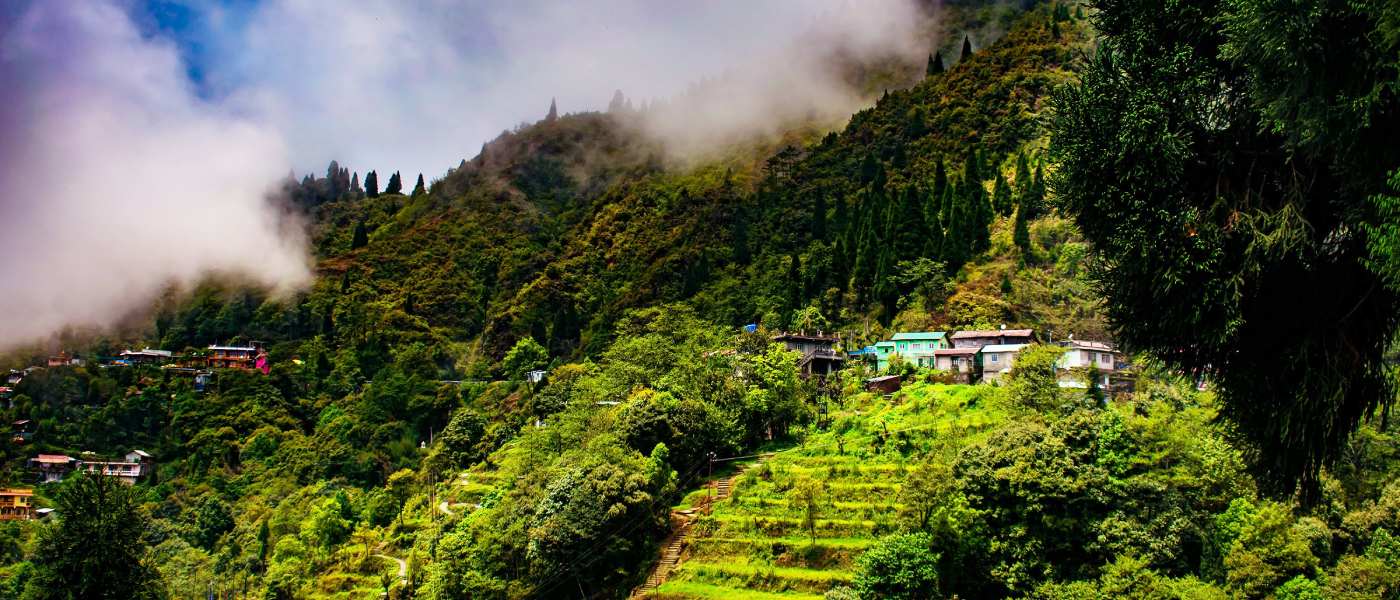
Beyond the Horizon: Unforgettable Journeys in the Age of Travel Today

The Magic of Modern Travel: Why Journeys Still Captivate Us
In an era where technology connects us instantly and routine dominates daily life, travel remains one of the most powerful ways to break free from the ordinary. The human spirit has always been drawn to the unknown, seeking not just destinations but transformation. Today’s travelers are no different—they crave experiences that awaken the senses, challenge perspectives, and leave indelible marks on the soul. Whether it’s the allure of a remote village untouched by modernity, the thrill of navigating a bustling foreign city, or the quiet reflection found in a mountain retreat, travel continues to offer something no screen or algorithm ever could: the raw, unfiltered essence of discovery.
What makes travel in the 21st century so extraordinary is its accessibility. Gone are the days when journeys were reserved for the privileged few. Budget airlines, digital nomad visas, and the sharing economy have democratized exploration, allowing people from all walks of life to chase horizons once deemed unreachable. Yet, with this freedom comes a responsibility—to travel thoughtfully, sustainably, and with an open heart. The most unforgettable journeys are not just about ticking off landmarks but about the unexpected encounters, the spontaneous detours, and the moments of genuine connection that redefine our understanding of the world—and ourselves.
The Rise of Conscious Travel: More Than Just a Vacation
Slow Travel: The Art of Staying Longer, Seeing Deeper
In a fast-paced world, the concept of slow travel has emerged as a refreshing antidote to the hurried tourist trail. Instead of rushing from one attraction to another, slow travelers immerse themselves in the rhythm of a place—renting a countryside cottage in Tuscany, learning the art of pasta-making from a local nonna, or spending weeks volunteering on an organic farm in Costa Rica. These experiences foster deeper cultural understanding and forge connections that last far beyond the trip itself.
The benefits of slow travel are manifold. It reduces environmental impact by minimizing carbon footprints, supports local economies rather than multinational chains, and allows travelers to develop a nuanced appreciation for the complexities of a destination. Countries like Portugal, Slovenia, and Bhutan have embraced this ethos, promoting extended stays and cultural exchange programs that prioritize quality over quantity. For those seeking meaning in their travels, slow movement is not just a trend—it’s a philosophy of presence.
Sustainable Tourism: Protecting the Places We Cherish
As awareness of climate change and overtourism grows, travelers are increasingly seeking ways to minimize their footprint. Sustainable tourism isn’t about deprivation; it’s about making choices that preserve the beauty of destinations for future generations. This could mean choosing eco-friendly accommodations, supporting wildlife conservation efforts, or opting for public transportation over private tours. Even small actions, like refusing single-use plastics or dining at locally owned restaurants, contribute to a more responsible travel ecosystem.
Certifications like EarthCheck, Green Key, and LEED have become valuable guides for eco-conscious travelers, but true sustainability goes beyond labels. It’s about respecting local customs, learning basic phrases in the native language, and leaving a place better than you found it. Organizations such as Responsible Travel and Sustainable Travel International offer resources for those eager to make a positive impact, proving that every journey can be a force for good.
Unforgettable Destinations: Where to Find Wonder in 2024
Hidden Gems: Off-the-Beaten-Path Adventures
While iconic landmarks like the Eiffel Tower or Machu Picchu hold their allure, the most transformative travel experiences often lie beyond the tourist hotspots. Here are a few underrated destinations that promise awe-inspiring journeys:
- Socotra, Yemen: A surreal landscape of dragon’s blood trees and limestone plateaus, Socotra feels like another planet. Its isolation has preserved a unique ecosystem found nowhere else on Earth.
- Bhutan’s Haa Valley: Nestled in the Himalayas, this valley offers pristine forests, ancient monasteries, and a profound sense of tranquility. Bhutan’s commitment to Gross National Happiness ensures a travel experience that nurtures both body and spirit.
- Svalbard, Norway: Above the Arctic Circle, this archipelago is a frontier of untouched wilderness. Polar bears outnumber humans, and the Northern Lights paint the winter skies in ethereal hues.
- Omo Valley, Ethiopia: Home to some of Africa’s most diverse indigenous cultures, the Omo Valley provides a glimpse into traditions that have remained unchanged for centuries.
Cultural Crossroads: Cities That Tell Stories
Cities have always been melting pots of culture, and today’s travelers are drawn to destinations where history, art, and modernity collide. These urban centers offer not just sightseeing but a deep dive into the human experience:
- Istanbul, Turkey: Straddling two continents, Istanbul is a living museum of empires. The call to prayer echoes over the Bosphorus, bazaars drip with spices, and the Hagia Sophia stands as a testament to centuries of cultural fusion.
- Hoi An, Vietnam: With its lantern-lit streets, tailors who craft bespoke suits in hours, and a cuisine that balances sweet, sour, and spicy flavors, Hoi An is a sensory delight. Its ancient town, a UNESCO site, feels frozen in time.
- Marrakech, Morocco: The red walls of the medina enclose a labyrinth of souks, riads, and palaces. The scent of mint tea, the rhythm of the Gnawa music, and the vibrant street life make Marrakech an immersive cultural feast.
- Valparaíso, Chile: This port city’s colorful hillside houses and bohemian vibe have inspired poets and artists for generations. Its street art and funiculars offer a glimpse into Chile’s creative soul.
The Future of Travel: Trends Shaping Tomorrow’s Journeys
Digital Nomadism: Working from the World’s Most Beautiful Corners
The rise of remote work has blurred the lines between home and abroad. Digital nomads—freelancers, entrepreneurs, and remote employees—are choosing to live in places where life is vibrant and costs are low. Destinations like Bali, Medellín, and Tbilisi have become nomad hubs, offering co-working spaces, fast internet, and vibrant expat communities. This trend has sparked conversations about digital nomad visas, with countries like Portugal, Estonia, and Croatia leading the way by offering long-term residency options for remote workers.
Yet, digital nomadism isn’t without its challenges. The pressure to constantly chase Wi-Fi and the transient nature of these communities can sometimes lead to a sense of rootlessness. The key to making it work lies in balance—integrating into local cultures rather than remaining in expat bubbles, and choosing destinations that align with personal values rather than just Instagram aesthetics.
Space Tourism: The Ultimate Frontier
While still in its infancy, space tourism is no longer the stuff of science fiction. Companies like SpaceX, Blue Origin, and Virgin Galactic are turning the dream of interstellar travel into a reality for those with deep pockets. In 2024, the first civilian lunar flyby is on the horizon, and orbital hotels may soon follow. Though the price tag is astronomical (pun intended), the experience of seeing Earth from space is unparalleled—offering a humbling perspective on our planet’s fragility and beauty.
Beyond the thrill, space tourism raises ethical questions about environmental impact and accessibility. As this industry grows, it will be crucial for companies to prioritize sustainability and ensure that the wonders of space are not reserved for the ultra-wealthy alone.
AI and Personalized Travel: The Rise of the Smart Itinerary
Artificial intelligence is revolutionizing the way we plan and experience travel. From chatbots that curate personalized itineraries based on your interests to AI-powered language translation apps that break down communication barriers, technology is making travel more intuitive and seamless. Platforms like Hopper and Google Trips use predictive analytics to suggest the best times to book flights or find hidden-gem restaurants, while augmented reality apps like Wikitude overlay digital information onto real-world sights.
While AI enhances convenience, the best travel experiences still rely on human connection. The most memorable trips often happen when plans go awry—a canceled flight leading to an unplanned adventure in a nearby town, or a chance conversation with a stranger that sparks a lifelong friendship. Technology should serve as a tool, not a replacement, for the serendipity that makes travel magical.
Preparing for the Journey: Tips for a Seamless Adventure
Packing Light: The Art of Traveling Smart
Packing can make or break a trip, and the golden rule is to travel light. A well-curated carry-on can contain everything you need for weeks, reducing stress and avoiding baggage fees. Start with versatile clothing in neutral tones, a compact travel towel, and a reusable water bottle. Tech essentials like a universal adapter, noise-canceling headphones, and a portable charger are non-negotiable. For digital nomads, a lightweight laptop and a foldable keyboard can turn a café in Lisbon into a productive workspace.
Remember, you’re not moving—you’re exploring. Leave room in your suitcase for souvenirs, experiences, and the inevitable extra layers you’ll pick up along the way.
Navigating the Unknown: Safety and Cultural Sensitivity
Traveling safely requires a mix of preparation and adaptability. Before departing, research local customs, dress codes, and any travel advisories issued by your government. Register with your embassy if traveling to high-risk areas, and always carry a photocopy of your passport separate from the original. Health precautions are equally important—check vaccination requirements, pack a basic medical kit, and invest in travel insurance that covers medical emergencies.
Cultural sensitivity goes beyond etiquette; it’s about approaching each destination with humility and curiosity. Learn a few phrases in the local language, ask for permission before taking photographs of people, and be mindful of religious or social norms. The goal isn’t to become an expert in every culture you encounter but to show respect and openness to learning.
Staying Connected: Managing Tech and Connectivity
In a hyper-connected world, staying offline can feel like a luxury. Yet, there’s immense value in disconnecting—even briefly—to fully engage with your surroundings. Many travelers opt for a local SIM card or an eSIM (like those offered by Airalo or Holafly) to stay connected without incurring exorbitant roaming fees. Apps like WhatsApp, Google Maps Offline, and Maps.me can be lifesavers in areas with poor signal.
For those seeking digital detox, consider destinations with limited connectivity, such as the Faroe Islands or the Canadian Rockies. These places offer a rare opportunity to reconnect with nature, yourself, and the people around you—without the distraction of notifications.
Why These Journeys Matter: The Lasting Impact of Travel
At its core, travel is an act of courage—a willingness to step outside your comfort zone and embrace the unknown. It challenges preconceived notions, fosters empathy, and often leads to profound personal growth. The memories forged on the road become part of your identity, shaping how you see the world and your place in it. A conversation with a street vendor in Marrakech might inspire you to start a business; a night under the stars in the Atacama Desert could ignite a passion for astronomy; a volunteer stint in a rural community might shift your priorities entirely.
Beyond the personal, travel has the power to bridge divides. It humanizes distant cultures, breaks down stereotypes, and reminds us of our shared humanity. In an age of division, the act of traveling thoughtfully can be a radical form of resistance—a declaration that curiosity and connection are more powerful than fear and isolation.
Your Next Adventure Awaits
The world is vast, and the possibilities are endless. Whether you’re dreaming of hiking the Inca Trail, attending a traditional tea ceremony in Kyoto, or simply getting lost in the backstreets of Lisbon, the journey begins with a single step—or a single ticket. The age of travel today is not just about reaching a destination; it’s about the transformation that occurs along the way.
So pack your bags, leave room for spontaneity, and set out with an open heart. The horizon is calling, and the stories you’ll bring back will be your most treasured souvenirs.