Beyond the Private Pilot: A Guide to Earning Your First Jet Type Rating
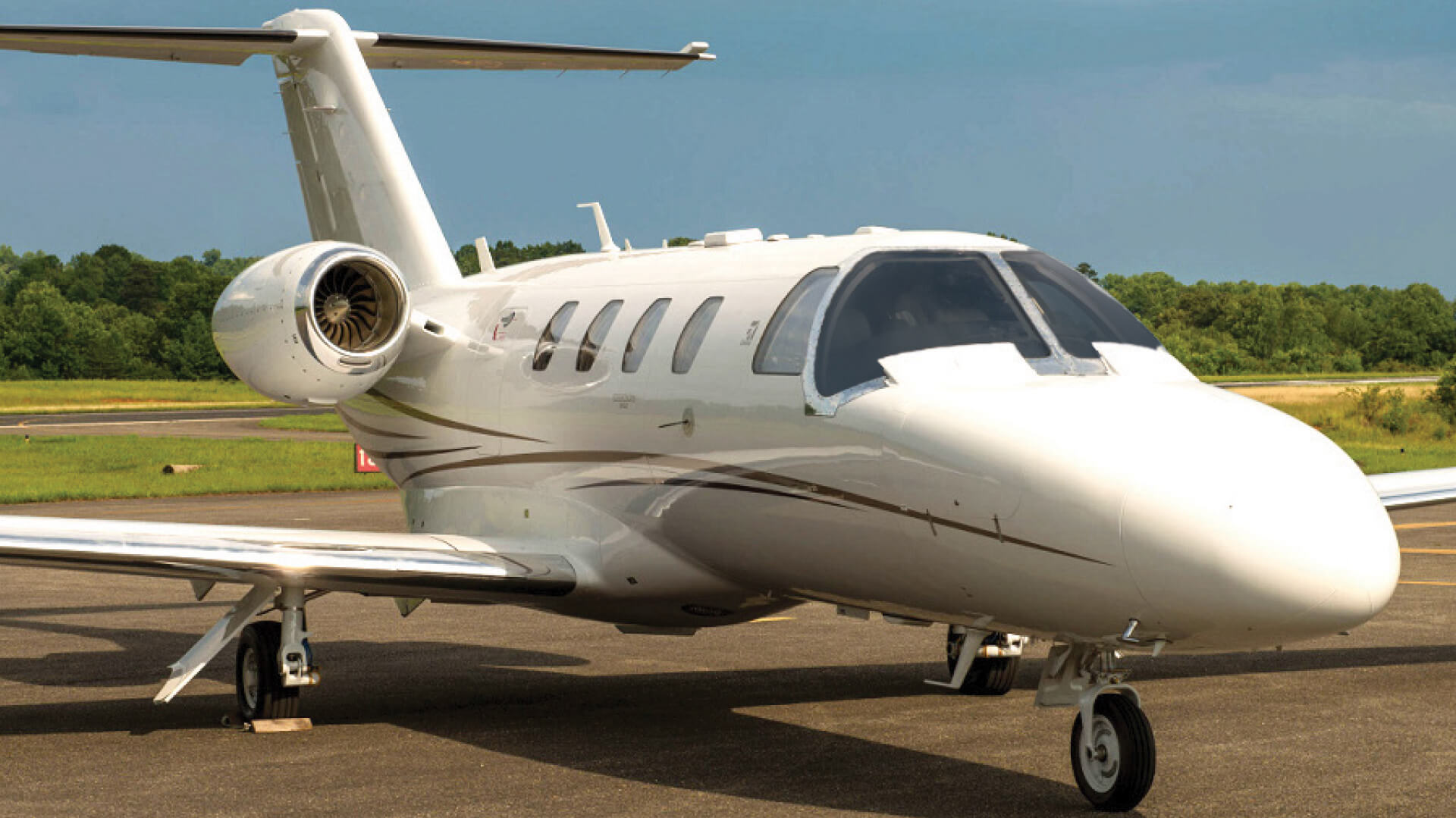
Completing flight school and earning a commercial pilot certificate is a monumental achievement, but for those aiming at the flight deck of a high-performance jet or a heavy turboprop, the journey is just beginning. In the world of aviation, most aircraft with a maximum takeoff weight of over twelve thousand five hundred pounds or those powered by turbojet engines require a specific type rating. This is essentially a specialized endorsement that proves a pilot is proficient in the systems, limitations, and handling characteristics of one specific aircraft model. Transitioning from a light training aircraft to a complex multi-crew jet is one of the most challenging and rewarding phases of a pilot’s career. Understanding the step-by-step process of securing a b737 type rating will help you navigate this transition with confidence and precision.
Establishing the Necessary Prerequisites
Before you can enroll in a type rating course, you must meet the regulatory and experience requirements set by your local aviation authority. Generally, this means holding at least a commercial pilot license with a multi-engine and instrument rating. Many airlines and training centers also require a certain number of total flight hours, often ranging from two hundred to fifteen hundred, depending on whether you are entering a cadet program or a direct-entry position.
In addition to your flight hours, you must possess a valid first-class medical certificate. Because type ratings involve high-altitude and high-speed operations, ensuring you are in peak physical health is a non-negotiable first step. Some jurisdictions also require the completion of an Airline Transport Pilot multi-engine technical course or a Jet Orientation Course. These bridge the gap between the simple systems of a flight school trainer and the automated, complex environments found in modern glass cockpits.
Ground School and Systems Integration
The actual type rating begins with an intensive ground school phase, which usually lasts between two and three weeks. During this time, the cockpit becomes your classroom. You will dive deep into every system of the aircraft, including hydraulics, electrics, fuel, pneumatics, and the flight management computer. Unlike flight school, where you might learn general principles, type rating ground school requires you to memorize specific “memory items” and limitations, such as maximum operating speeds, oil pressure ranges, and emergency checklist steps.
Many training centers utilize high-fidelity flat-panel trainers or virtual reality setups during this phase. These tools allow you to practice the flow of the cockpit and the location of switches without the expense of a full motion simulator. You will also spend significant time studying the Quick Reference Handbook and the Airplane Flight Manual. This phase culminates in a written or oral technical examination that you must pass before you are allowed to step into the simulator.
Fixed Base and Full Flight Simulator Training
Once the theory is mastered, you move into the simulator phase. This is typically divided into two parts. First, you will spend time in a Fixed Base Trainer, which replicates the cockpit layout but does not move. This is where you learn “flows,” which are the choreographed sequences of switch movements performed during various phases of flight, such as before start, after takeoff, and approach.
The final and most intense part of the training takes place in a Level D Full Flight Simulator. These multi-million dollar machines move on hydraulic or electric legs to perfectly replicate the sensations of flight, from the vibration of the runway to the pull of a steep turn. Over several sessions, an instructor will put you through every imaginable scenario, including engine failures on takeoff, hydraulic leaks, and electrical fires. You will also practice landings in extreme crosswinds and low-visibility instrument approaches. Because these aircraft are usually operated by two pilots, a major focus of this phase is Crew Resource Management, which involves effective communication and coordination with your co-pilot.
Conclusion
Securing a type rating is the bridge between being a student of the air and becoming a professional aviator. It is a rigorous process that demands discipline, a high capacity for learning complex data, and the physical skill to handle a powerful machine. By moving through the prerequisites, ground school, and the intense environment of the flight simulator, you develop the specialized expertise required to safely transport passengers across the globe. While the learning curve is steep, the view from the cockpit of a jet you are officially rated to fly is a reward that few other professions can match.